In today's tech-driven world, chargers are essential companions for our devices. Many of us overlook their care. However, Dr. Emily Zhang, an expert in electronic device maintenance, emphasizes that “proper care can significantly extend the lifespan of your charger.”
Understanding how to extend the service life of a source charger effectively can save you money and reduce electronic waste. Due to frequent use, chargers often suffer wear and tear. For instance, cables can fray, and connectors can become loose. These issues can be avoided with simple measures.
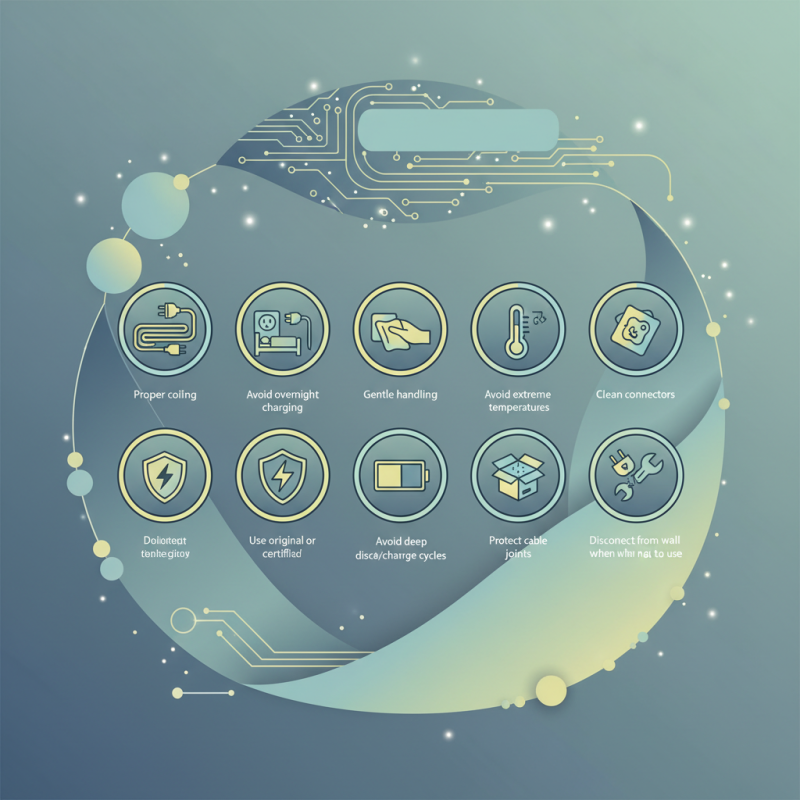
Every user should consider adjusting their usage habits. For example, avoid charging overnight when it's unnecessary. This practice not only protects your charger but also the battery of your devices. By implementing small changes, you can maintain your charger and ensure it serves you well for years.
When choosing a charger, understanding the different types is crucial. Wall chargers are common. They are convenient for home use. However, their lifespan can vary based on quality. Generally, low-quality options tend to fail quickly. USB chargers provide versatility. They can connect to various devices. But overuse can lead to overheating and damage.
Wireless chargers are becoming popular. They offer convenience, but they often charge slowly. Frequent use may shorten their lifespan. Power banks are another option. They are portable but can wear out faster due to repeated charging cycles. Each type has its pros and cons. Knowing these will guide you in maintaining your charger effectively.
Care is essential for longevity. Keeping charging ports clean helps prevent connectivity issues. Avoiding overcharging your devices also contributes to a charger’s lifespan. High temperatures can damage chargers. Make sure they have proper ventilation. Lastly, reflecting on your charging habits can uncover problems. Fixing minor issues early can save you from larger setbacks later on.
: Keep it in a specific area like a pouch or box. Avoid random drawers or clutter.
Extreme heat or cold can harm your charger. Store it in a cool, dry place instead.
Unplug gently instead of yanking. This helps avoid frayed wires and prolongs charger life.
Frequent disconnections and a loose charging port are clear warning signs.
If it feels hot to the touch, it may need replacement to avoid damage and safety risks.
If your device takes longer to charge than before, efficiency may be low.
Yes, look for signs of wear like cracks or frays. It can help prevent future headaches.
Continuing to use it can lead to bigger problems. It may damage your devices over time.
Not usually. Warmth can indicate issues, and it’s wise to consider replacement.
No, random storage can lead to tangling or damage. A designated space is best.
To extend the service life of a source charger effectively, it's essential to understand the various types of chargers and their typical lifespans. Each charger type has unique characteristics and vulnerabilities that can affect its durability. Identifying common causes of charger damage, such as frayed cables or overheating, can help you take proactive measures.
Practical tips for charger usage include avoiding excessive bending of wires and ensuring the charger is not exposed to extreme temperatures. Additionally, implementing best practices for safe storage, like winding cords loosely and avoiding tight knots, will minimize wear and tear. Finally, being aware of signs indicating it's time for a replacement, such as slow charging or visible damage, can prevent mishaps and ensure consistent performance. By following these guidelines, users can significantly prolong the lifespan of their chargers.

 Caiku Electronic