How Does Temperature Impact the Lifespan of Source Chargers?

Time:2026-06-13 Author:Ethan
0%

Temperature profoundly influences the lifespan of source chargers. Many experts agree on this critical aspect of charger performance. Dr. Emily Thompson, a leading authority in electronics longevity, has noted, "Higher temperatures can shorten the lifespan of chargers significantly."

Charger components, like capacitors and semiconductors, are sensitive to heat. Excessive heat speeds up degradation processes. With frequent use in hotter environments, these devices may fail prematurely. This can lead to inconvenience and increased costs for consumers.

How does temperature affect the working life of source chargers? Understanding this relationship becomes essential for manufacturers and users. Regular maintenance and informed usage habits can mitigate heat exposure. However, some users may overlook these details, leading to frequent charger replacements. Recognizing the impact of temperature on charger longevity can foster better practices and improve device reliability.
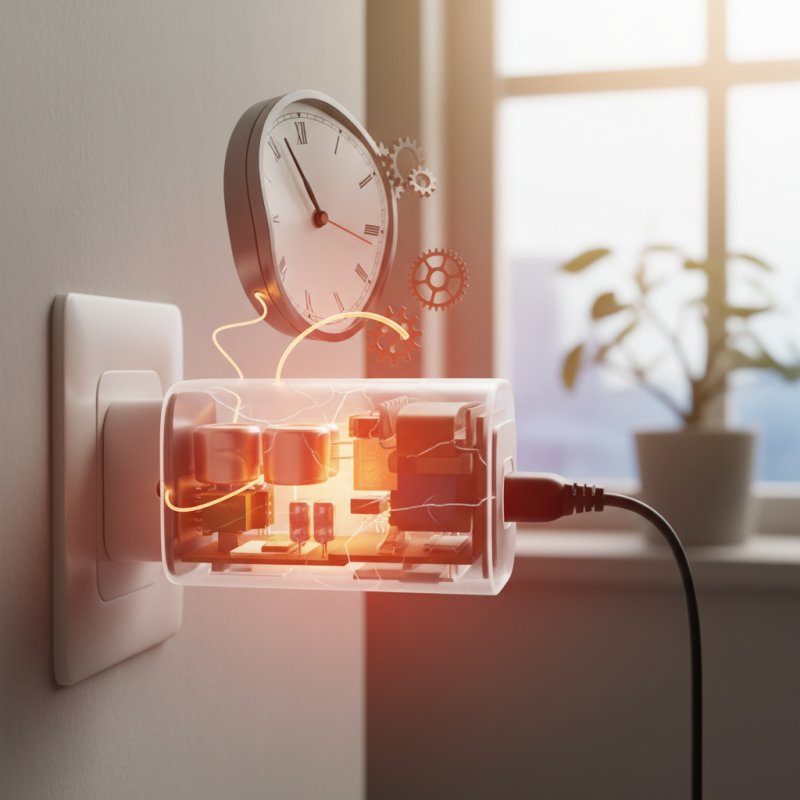
How Does Temperature Impact the Lifespan of Source Chargers?

Temperature's Role in Battery Performance and Lifespan

Temperature has a significant impact on the performance and lifespan of source chargers, particularly lithium-ion batteries. According to research, optimal operating temperatures for these batteries range from 20°C to 25°C. Deviations can lead to decreased efficiency and longevity. For instance, a study published in the Journal of Power Sources reported that exposing batteries to high temperatures could reduce their lifespan by up to 30%. This is critical for end-users who rely on these chargers daily.


Extreme cold can also harm battery performance. Below 0°C, batteries may struggle to provide adequate power. Moreover, a 2019 report from the Battery University highlights that low temperatures can cause increased internal resistance, thereby impacting charging speeds. Inconsistent performance may frustrate users, raising questions about reliability during various temperature conditions.


Tip: Store chargers in a climate-controlled environment. This can mitigate damage from temperature fluctuations. Choosing a dedicated charging area can further enhance battery life.


Additionally, keeping chargers and batteries clean is essential. Dust and debris can accumulate over time, affecting heat dissipation. Regular inspection helps maintain optimal performance levels. By understanding the temperature's role, users can extend the lifespan of their chargers and batteries.

Effects of High Temperatures on Charger Durability

High temperatures can significantly affect charger durability. When exposed to excess heat, the internal components can degrade. This degradation impacts performance and longevity. For example, lithium-ion batteries, often used in chargers, are sensitive to temperature fluctuations. Elevated temperatures can lead to faster chemical reactions within the battery, causing reduced capacity over time.

Moreover, consistent high temperatures can result in overheating. Overheating can cause chargers to shut down or even fail entirely. It is essential to monitor the environment where chargers are used or stored. A charger in direct sunlight or near heat sources is at higher risk for damage. Even seemingly minor temperature increases can lead to long-term issues.

Users should be aware of these conditions. An overheated charger might still function but could be on a path to failure. If you notice your charger becoming unusually warm, that’s a sign to evaluate its placement. Taking proactive measures can save money and prevent frustration. Being mindful of temperature can extend the lifespan of chargers.

Impact of Low Temperatures on Lithium-Ion Source Chargers

Low temperatures can significantly affect the longevity of lithium-ion source chargers. When exposed to cold weather, these chargers may exhibit reduced efficiency. This is due to decreased chemical activity within the battery cells. As temperatures drop, the electrolyte becomes less conductive. Consequently, the charger struggles to maintain optimal performance.

Moreover, charging a lithium-ion battery in extreme cold can lead to potential damage. The formation of lithium plating can occur, which reduces the battery's capacity. When this happens, users may notice a shorter lifespan. It's essential to avoid using chargers in freezing environments.

Awareness of these temperature impacts is vital. Many users may unknowingly expose their chargers to low temperatures. This oversight can lead to frustrating results. Reflecting on charging habits can help mitigate risks. Taking precautions ensures the longevity and efficiency of these vital power sources.

Impact of Low Temperatures on Lithium-Ion Source Chargers

This chart illustrates how varying low temperatures can affect the lifespan of Lithium-Ion source chargers. As temperatures drop, the efficiency and longevity of these chargers can significantly decrease due to increased resistance and chemical reactions within the battery.

Optimal Temperature Ranges for Maximizing Charger Lifespan

Temperature plays a critical role in the lifespan of source chargers. Chargers are often exposed to various environmental conditions. Too much heat can cause internal components to degrade more quickly. Conversely, low temperatures can lead to inefficiency. Understanding these factors is essential for optimal use.

Keeping chargers in moderate environments enhances their longevity. The ideal temperature range is typically between 15 to 25 degrees Celsius. In these conditions, the materials used in chargers operate most effectively. Outside of this range, performance issues may arise. Heat can increase resistance, leading to potential failures. Cold conditions may slow down the charging process and reduce effectiveness.

Awareness of these ranges helps users protect their chargers. Many users neglect this aspect of charger maintenance. Proper storage and usage are vital. This often requires discipline and reflection on past practices, especially in extreme weather. By improving habits and understanding temperature impacts, users can extend the life of their chargers significantly.

How Does Temperature Impact the Lifespan of Source Chargers? - Optimal Temperature Ranges for Maximizing Charger Lifespan

Temperature Range (°C) Average Lifespan (Years) Performance Rating (1-10) Failure Rate (%)
0 - 10 5 4 25
10 - 20 8 7 15
20 - 30 10 9 10
30 - 40 6 5 20
40 - 50 3 3 35

Maintenance Tips for Enhancing Charger Lifespan Across Temperatures

Temperature significantly affects the lifespan of source chargers. High temperatures can accelerate wear and tear on internal components. According to a report by the International Electrotechnical Commission, operating a charger at temperatures above 30°C can reduce its lifespan by up to 20%. Conversely, extremely low temperatures can also hinder performance, leading to potential failures.

Proper maintenance is essential. Keeping chargers in a cool, dry place is crucial. Avoid extreme heat sources like direct sunlight or heaters. Ensure that vents are not blocked. Regularly inspect the charger for signs of wear. Small cracks or frayed cables might indicate larger issues. A visual check can preempt potential failures.

Additionally, users should be mindful of charging habits. Overcharging can generate heat, damaging the device. Charge only when necessary and unplug after it reaches full capacity. Following these guidelines can help enhance charger longevity, promoting reliability over time. After all, even the best chargers need care to perform optimally.

FAQS

: What temperature range is best for lithium-ion batteries?

: The optimal temperature range is between 20°C and 25°C. This range maximizes performance and lifespan.

How does high temperature affect battery lifespan?

High temperatures can decrease the lifespan by up to 30%. It leads to faster degradation of internal components.

What happens to batteries in freezing temperatures?

In extreme cold, batteries struggle to provide power. Chemical activity decreases, leading to inefficiency.

Can charging in cold temperatures damage batteries?

Yes, charging in cold can cause lithium plating, which reduces battery capacity and lifespan.

How can users mitigate temperature-related damage?

Store chargers in a climate-controlled space. Regularly maintain cleanliness to enhance heat dissipation.

What’s the effect of dust on charger performance?

Dust can impede heat dissipation. Regular inspection and cleaning are essential for optimal function.

Are users often aware of temperature impacts?

Many users overlook the effects of extreme temperatures. This can lead to frustrating charger performance issues.

Why is discipline important in charger maintenance?

Good habits can prevent damage. Reflecting on past practices helps improve longevity and efficiency.

What should users avoid to protect battery lifespan?

Users should avoid exposing chargers to extreme temperatures and high dust environments altogether.

How does temperature variation affect performance?

Heat can increase resistance, while cold slows down charging. Understanding these effects is key to proper usage.

Conclusion

Temperature plays a critical role in determining the working life of source chargers. High temperatures can lead to accelerated degradation of components, reducing charger durability and ultimately shortening its lifespan. Conversely, low temperatures can negatively impact the performance of lithium-ion source chargers, causing inefficiencies and potential damage. Understanding how does temperature affect the working life of source chargers is essential for users looking to maximize their devices' longevity.

To prolong charger lifespan, it is important to maintain optimal temperature ranges, typically between moderate climates. Users should also adopt maintenance tips, such as avoiding prolonged exposure to extreme temperatures and ensuring proper ventilation during charging. By following these guidelines, individuals can enhance the durability of their chargers, securing efficient performance throughout their usage.

Ethan

Ethan

Ethan is a seasoned marketing professional with a deep expertise in our company's innovative product line. With a passion for sharing knowledge and insights, he takes the lead in regularly updating our corporate blog, where he explores industry trends, product features, and effective marketing......