As technology evolves, the safety of chargers becomes paramount. Consumers must ask, "What safety standards should a qualified source charger meet?" In 2026, several important guidelines will help ensure charger safety. The increasing use of fast charging and wireless technology amplifies the need for these standards.
Standards from organizations like the Institute of Electrical and Electronics Engineers (IEEE) and Underwriters Laboratories (UL) set benchmarks for safety. These guidelines address overheating, electromagnetic interference, and electrical issues. Adhering to these standards can protect users from potential hazards.
However, not all manufacturers comply with these regulations. Some may cut corners to save costs. This creates risks for consumers who rely on these chargers daily. Ensuring that chargers meet the necessary safety criteria is vital for peace of mind and user safety. Understanding these requirements can help in making informed purchasing decisions.
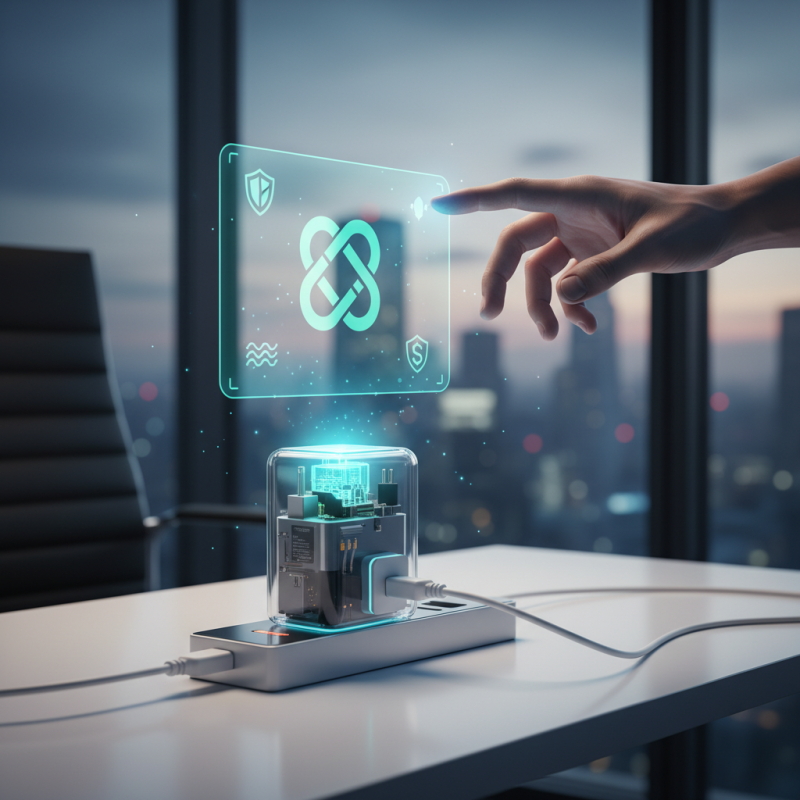
In 2026, the landscape of charger safety will be heavily shaped by regulatory bodies. Organizations like the International Electrotechnical Commission (IEC) and Underwriters Laboratories (UL) will play pivotal roles in establishing standards. Their guidelines ensure chargers are safe to use and reduce risks of overheating or electrical faults. More rigorous testing protocols will be enforced, emphasizing the importance of compliance.
The rise of electric vehicles (EVs) and other portable electronics demands enhanced standards. Regulatory bodies understand the need for robust safety measures. They are adapting to new technologies and consumer expectations. Continuous feedback from industries will be crucial. Manufacturers must engage with these bodies to refine their approaches.
The interplay between technology and safety highlights potential gaps in existing standards. Some may argue that current regulations are not comprehensive enough. As innovations occur rapidly, it’s essential to reassess what constitutes safety. Striking a balance between innovation and secure design remains a challenge. It requires commitment from all stakeholders to promote a safe charging experience.
In 2026, consumer chargers will need to meet stringent safety standards to protect users from hazards. A report from the International Electrotechnical Commission (IEC) states that nearly 40% of electronic device fires stem from faulty chargers. This emphasizes the critical need for chargers to incorporate essential safety features.
One of the most important safety aspects is overcurrent protection. This feature ensures that if the charger draws too much current, it automatically shuts off. Additionally, chargers should have short-circuit protection, which safeguards against unexpected electrical surges. According to a survey by the Consumer Electronics Safety Association, 70% of consumers are more likely to trust products with these safety features.
Heat management is another vital component. Failures in thermal regulation can lead to overheating and potential fires. Inadequate thermal design was identified as a factor in 25% of charger-related incidents last year. Even minor design flaws can lead to significant risks, highlighting the importance of rigorous testing and compliance with safety certifications. Users need to be aware of these features when selecting chargers for their devices.
As we approach 2026, understanding energy efficiency regulations for chargers is crucial. These rules often dictate how much power a charger can consume while maintaining performance. A good charger should meet or exceed these guidelines. Manufacturers must design chargers that minimize energy waste. This requires innovative engineering and consumer awareness.
The impact of these regulations extends beyond energy savings. They promote sustainability and reduce environmental footprints. While many chargers claim efficiency, not all meet the stringent upcoming standards. Consumers should look for certifications that indicate compliance. Awareness about energy consumption can influence purchasing decisions. This could create market pressure for better products.
Yet, there remains a challenge in balancing performance with standards. Some chargers may perform excellently but fall short in energy efficiency. This leads to a dilemma when consumers must choose. It’s essential to stay informed about the evolving landscape of charger technologies. Regularly reviewing the specs helps in making informed choices. Adapting to these changes can be difficult but vital for long-term benefits.
As we look toward 2026, it's crucial to understand the evolving landscape of charger safety standards. Emerging technologies play a significant role in shaping these standards. Innovations like GaN (Gallium Nitride) technology promise increased efficiency and lower heat output. According to recent industry reports, chargers utilizing GaN are up to 25% more efficient than traditional silicon-based chargers. This efficiency can reduce the risk of overheating, a common safety hazard.
However, with innovation comes new challenges. For instance, the integration of smart technology into charging systems introduces complexity. Smart chargers can monitor usage and adjust power levels. Yet, they may also present vulnerabilities to cybersecurity threats. A study by the International Electrotechnical Commission highlights that nearly 40% of reported charger failures are due to software malfunctions in smart devices. This raises concerns about the reliability of such technology in meeting safety standards.
In conclusion, as chargers become smarter and more efficient, industries must ensure robust testing protocols. New standards must address both performance and cybersecurity risk. Ongoing research is essential to strike this balance. Stakeholders need to reflect on the implications of rapid technological advancements for charger safety.
| Safety Standard | Description | Implementation Year | Compliance Authority |
|---|---|---|---|
| IEC 62368-1 | Safety of audio/video, information, and communication technology equipment. | 2022 | International Electrotechnical Commission |
| UL 60950-1 | Standard for the safety of information technology equipment, including chargers. | Revised 2025 | Underwriters Laboratories |
| ANSI/CAN/UL 62368-1 | North American version of the IEC 62368-1 standard for safety. | 2024 | ANSI, UL |
| ISO 26262 | Safety standard for the automotive industry, applicable to electric vehicle chargers. | 2026 | International Organization for Standardization |
| IEC 62133 | Safety requirements for portable sealed secondary cells and batteries. | 2023 | International Electrotechnical Commission |
As we approach 2026, safety standards for chargers are evolving rapidly. The focus is on enhancing reliability through improved testing protocols and certification processes. Manufacturers will likely face stringent requirements to ensure the safety and efficiency of their products. This reflects a growing commitment to consumer protection and device longevity.
Tips: Always check for certification marks on chargers. These indicate adherence to safety standards. Additionally, verify if the charger has undergone independent testing. This step ensures that the product meets regulatory requirements and can provide safe charging experiences.
Future trends indicate an increase in smart technology within chargers. Features like auto shut-off and temperature control could become standard. Consumers will need to adapt and be aware of these technologies. Manufacturers might still fall short in integrating these advanced features consistently. Awareness and education will be crucial as the market evolves.
Tips: Research emerging technologies in chargers. Understanding new features helps make informed purchasing decisions. Stay updated on safety recalls and news about chargers to ensure you’re using safe products.
: Key organizations include the International Electrotechnical Commission and Underwriters Laboratories. They set safety standards for chargers.
Safety standards help reduce risks like overheating and electrical faults. They protect users from potential hazards.
Chargers should include overcurrent protection and short-circuit protection. These features enhance user safety significantly.
Nearly 40% of electronic device fires originate from faulty chargers. This highlights the need for rigorous safety measures.
Poor thermal regulation can lead to overheating. Last year, it was a factor in 25% of charger-related incidents.
Always look for certification marks. This indicates the charger meets safety standards and has been tested.
Smart features like auto shut-off and temperature control will likely become standard in chargers. Awareness is essential.
Some manufacturers may struggle to integrate advanced safety features consistently. This area requires ongoing attention and improvement.
Research emerging charger technologies and safety recalls. Staying updated helps ensure safe charging experiences.
Some believe that current regulations are sufficient. However, continuous reassessment is necessary to enhance safety standards.
As we approach 2026, understanding what safety standards a qualified source charger should meet is crucial for both manufacturers and consumers. Key regulatory bodies are shaping these standards, ensuring that chargers for consumer electronics incorporate essential safety features like overcurrent protection and thermal management. Additionally, energy efficiency regulations are playing a significant role, pushing for chargers that minimize power consumption while maximizing performance.
Emerging technologies are also influencing charger safety standards, with innovations in materials and design enhancing protection against electrical hazards. Looking ahead, trends in charger certification and testing protocols will likely evolve, emphasizing rigorous safety assessments to ensure compliance with updated regulations. As we prepare for these changes, staying informed about the evolving landscape of charger safety standards will be vital for all stakeholders involved.

Caiku Electronic