How Power Efficiency Affects Source Charger Performance in 2026?

Time:2026-05-11 Author:Oliver
0%

In the rapidly evolving world of technology, charging efficiency is more crucial than ever. As devices demand higher power, the design of source chargers has changed significantly. In 2026, one key question emerges: How does power efficiency influence the performance of source chargers?

Power efficiency directly impacts how quickly and effectively devices charge. Higher efficiency means less energy is wasted. This results in faster charging times and longer device lifespans. It also affects the heat generated during the charging process. Excess heat can degrade not only the charger but also the device itself.

The industry is now focusing on finding the balance between power output and efficiency. However, the reality is that many chargers still struggle to achieve optimal performance. Improvements are being made, yet some products still fall short of expectations. This sparks an ongoing debate about the ideal standards for charger design and performance in the future.
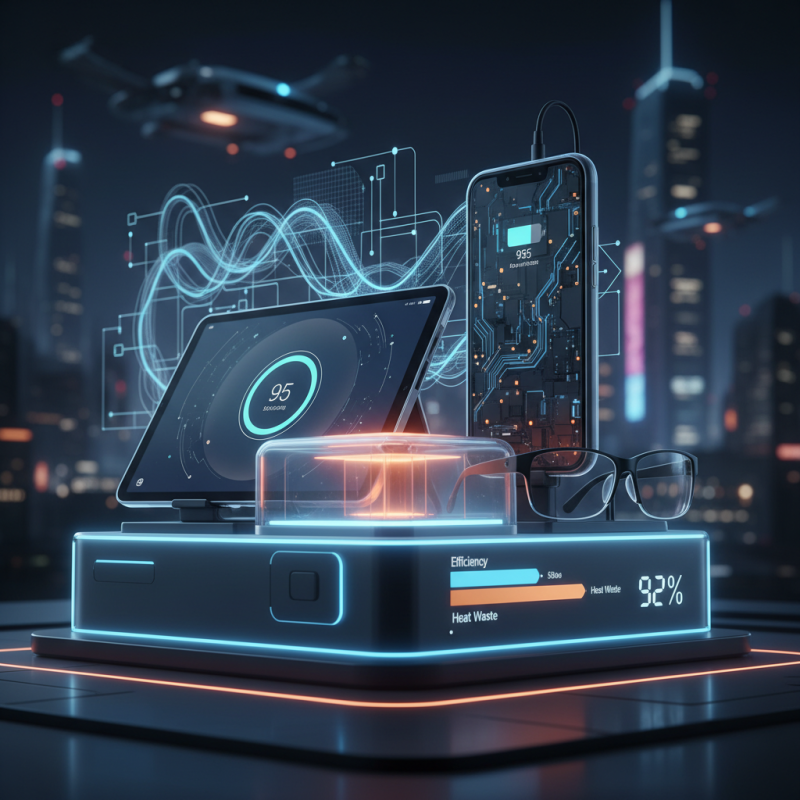
How Power Efficiency Affects Source Charger Performance in 2026?

The Concept of Power Efficiency in Chargers

Power efficiency in chargers is increasingly significant. As we move towards 2026, the demand for efficient charging solutions rises alongside electric vehicle and smartphone usage. Power efficiency directly influences how quickly and effectively devices charge. A more efficient charger can minimize energy loss, translating to faster charging times and reduced electricity bills.

Understanding power efficiency involves examining how much energy is converted into usable power. Many chargers waste a portion of energy as heat. This inefficiency leads to longer charging times and increased costs. In an era where sustainability is pivotal, reducing energy waste becomes essential. As users become more aware, they may question the effectiveness of less efficient chargers. This calls for a reevaluation of charger designs and functionalities.

The pursuit of power efficiency is not without challenges. Manufacturers must balance cost, speed, and functionality. Not all innovations yield the expected efficiency improvements. Some new technologies may not be as effective in practical use. Hence, ongoing research and development are crucial to overcoming these barriers. Users need reliable information to make informed choices.

Factors Influencing Charger Performance in 2026

In 2026, power efficiency becomes crucial for source charger performance. Efficiency influences charging speed and energy consumption. The latest industry reports indicate that efficient chargers can reduce energy waste by over 20%, leading to significant savings for users.

Several factors play a pivotal role in charger performance. The integration of advanced materials, like silicon carbide, enhances thermal management. This allows chargers to maintain high performance without overheating. Additionally, smart technology now enables adaptive charging, which optimizes power delivery to devices. Industry data shows a trend towards chargers achieving over 95% efficiency rates, but not every model hits these benchmarks.

However, challenges remain. While many chargers boast efficiency ratings, discrepancies often arise in real-world usage. User habits, such as different charging time frames and environmental conditions, can affect outcomes. Research highlights that as much as 10% of charger efficiency can be lost due to poor design. Thus, while the future of charging looks promising, continuous improvements are essential to harness the full potential of power efficiency.

How Power Efficiency Affects Source Charger Performance in 2026

Charger Type Power Efficiency (%) Output Power (W) Charging Time (hours) Heat Generation (°C)
Standard Charger 85 10 5 30
Fast Charger 90 20 2 40
Super Fast Charger 95 30 1 45
Wireless Charger 80 15 4 35

Impact of Technology Advancements on Power Efficiency

In 2026, advancements in technology will significantly impact power efficiency and charger performance. Innovative materials and design techniques are driving these improvements. New semiconductors offer better conductivity, reducing heat loss and enhancing energy transfer. This means devices can charge faster while consuming less power, benefitting both the environment and user convenience.

Tips: Choose chargers that highlight energy efficiency. Always look for certifications that indicate lower environmental impact. A reliable charger saves you costs in the long run.

As technology evolves, we face challenges in maximizing power efficiency. Not every new device achieves higher efficiency rates. Sometimes, older devices withstand the test of time better than trendy alternatives. This creates a dilemma for consumers who seek both innovation and sustainability. Striking a balance between performance and energy use is crucial.

Tips: Be mindful of your charging habits. Avoid overcharging, which wastes energy. Unplug chargers when not in use to enhance efficiency.

Impact of Power Efficiency on Source Charger Performance in 2026

Comparison of Power Efficiency Metrics Across Charger Types

In 2026, power efficiency will play a pivotal role in charger performance. Comparing various charger types, we see significant differences. Wall chargers typically exhibit higher efficiency with less energy loss. Wireless chargers, on the other hand, can struggle with efficiency. They often waste energy as heat, leading to slower charging times.

Solar chargers are another interesting case. While they harness renewable energy, their efficiency heavily depends on sunlight. This variability makes them less reliable in certain conditions. Users may find they struggle to achieve optimal performance during cloudy days. Moreover, the integration of smart technology into chargers adds complexity. Smart chargers optimize energy use, but they may come with a learning curve for consumers.

Charger efficiency metrics vary widely, raising questions about industry standards. Some metrics are easier to measure than others. The inconsistency can lead to confusion for users seeking the best options. It’s essential to critically assess these metrics as they influence purchasing decisions. Understanding how power efficiency impacts charger types is crucial for effective use in daily life.

Future Trends in Charger Design and Power Management Strategies

As we move into 2026, power efficiency is expected to play a crucial role in the performance of source chargers. With devices becoming more advanced, the need for efficient charging solutions intensifies. Manufacturers focus on designing chargers that maximize energy output while minimizing losses during the process. Innovations in power management strategies are essential in meeting consumer demands for faster and more sustainable charging solutions.

Tips: Consider integrating energy-efficient practices into your charging routine. Using timers can help avoid overcharging. Look for chargers that adapt to the device's needs for optimal performance.

Design trends show a shift toward adaptive technologies. Future chargers may leverage AI to adjust power flow based on device requirements. This customization enhances battery longevity and efficiency. However, the challenge remains in balancing speed and safety. Manufacturers must prioritize reliable materials that can withstand increased power levels.

Tips: Regularly inspect your chargers for wear and tear. A worn charger can be less efficient and even pose risks. Keep your charging area cool, as heat can affect charger performance.

FAQS

: Why is power efficiency important for chargers in 2026?

: Power efficiency affects charging speed and energy consumption. Efficient chargers can reduce energy waste by over 20%.

What materials enhance charger performance?

Advanced materials like silicon carbide improve thermal management. This helps maintain high performance without overheating.

How does smart technology benefit chargers?

Smart technology enables adaptive charging, optimizing power delivery. This feature can boost overall charging efficiency.

Are all chargers achieving high efficiency rates?

Not every charger meets efficiency benchmarks. Real-world usage can lead to discrepancies in performance.

What user habits can impact charger efficiency?

Different charging times and environmental conditions can affect performance. Charging practices may cause up to 10% efficiency loss.

How can I improve my charging habits?

Avoid overcharging and unplug chargers when not in use. This enhances overall energy efficiency.

What role will technology advancements play in charger performance?

New semiconductors enhance conductivity, reducing heat loss. This leads to faster charging and lower power consumption.

What should I consider when choosing a charger?

Look for energy efficiency certifications and evaluate the charger’s design. Reliable options save money in the long run.

How can I maintain charger durability?

Regularly inspect your chargers for wear. A worn charger can be less efficient and pose safety risks.

What future trends will influence charger design?

Adaptive technologies and AI may customize power flow. However, balancing speed and safety remains a key challenge.

Conclusion

In exploring "How does power efficiency influence the performance of source chargers," the article delves into the fundamental concept of power efficiency in chargers and its critical role in enhancing performance in 2026. As technology advances, various factors such as charging speed, thermal management, and energy consumption come into play, significantly impacting charger performance. The article highlights how innovations in power management strategies and the development of new materials are set to improve power efficiency across different charger types.

Moreover, a comparative analysis of power efficiency metrics illustrates the variations in performance among source chargers, emphasizing the importance of optimizing design for maximum efficiency. As we look toward future trends, it becomes clear that a focus on power efficiency will not only enhance performance but also contribute to sustainable practices in charging technology, paving the way for more efficient and environmentally friendly solutions in the charger market.

Oliver

Oliver

Oliver is a seasoned marketing professional with a wealth of expertise in driving brand awareness and engagement. With a deep understanding of our company's product offerings, he consistently delivers high-quality content that enriches our professional blog. His insights not only shed light on......