Why Does Charging Speed Vary Between Different Chargers?

Time:2026-04-07 Author:Mason
0%

The rapid evolution of charging technology has led to varied experiences across different devices and chargers. Understanding why some chargers are faster than others is essential for consumers seeking efficiency. What factors affect the charging speed of a source charger? Several elements contribute to this discrepancy, impacting user satisfaction.

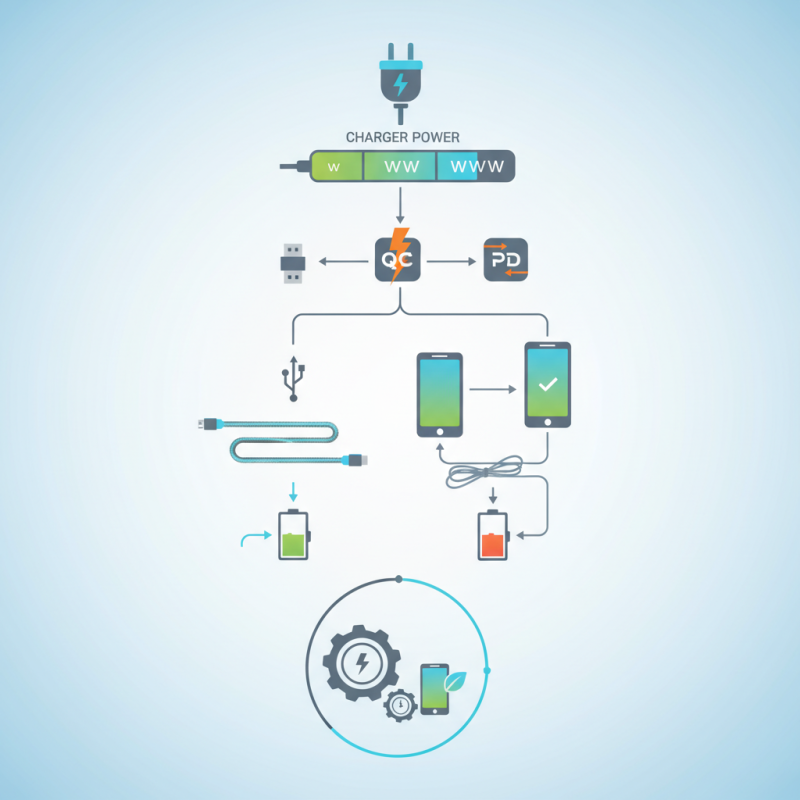
First, the output power of the charger plays a crucial role. Chargers typically have different wattage ratings, affecting how quickly they can transfer energy. Additionally, the type of charging protocol—USB, Quick Charge, or Power Delivery—also influences speeds. However, not all devices support every protocol, and this may lead to frustrating charging scenarios.

Moreover, the quality of the cable used can dramatically alter performance. A low-quality cable may hinder even the fastest charger. Users should consider these factors when purchasing chargers. While we all want quick charging, it is a reminder to reflect on our choices and the implications for device longevity and efficiency.
Why Does Charging Speed Vary Between Different Chargers?

Understanding Charging Speed Variations in Different Chargers

Charging speed varies greatly among different chargers due to multiple factors. One key element is the power output of the charger itself. Reports from industry experts indicate that chargers can range from 5 watts to over 100 watts. A typical smartphone charger may deliver around 10 to 20 watts, while faster chargers can provide upwards of 50 watts. This variance directly influences the charging time experienced by users.

Another critical aspect is the cable used in conjunction with the charger. Not all cables are created equal. Some cables support fast charging, while others do not. A high-quality USB-C cable can enable faster data transfer and charging speeds. A report from a prominent tech publication noted that using a compatible, high-quality cable can increase charging efficiency by up to 50%. This demonstrates the importance of pairing the right charger with the correct cable for optimal performance.

Additionally, the device being charged plays a role in speed variation. Different devices have varying charging protocols, which can limit the speed to their maximum supported level. Even with a powerful charger, if the device only accepts a lower wattage, the user will not experience the full benefits. This complex interaction between charger, cable, and device can often lead to confusion, resulting in underwhelming charging experiences. Understanding these factors can help users make informed decisions about their charging options.

Factors Influencing Charger Output and Device Compatibility

Charging speed can vary greatly between different chargers due to multiple factors. One crucial aspect is the charger's output capability. Chargers are designed with specific wattages, affecting how quickly they can replenish a device's battery. A charger that outputs 5 watts will charge a device much slower than one with a 20-watt output. Users often overlook this detail, assuming all chargers perform equally.

Device compatibility plays a significant role as well. Not all devices can accept high charging speeds. For instance, a phone may support fast charging, but using a charger that exceeds its capacity may not yield any benefits. It could even harm the device's battery health over time. This creates confusion for consumers who expect consistent performance from different chargers.

Cables also affect charging speed. A lower-quality or damaged cable can limit the power transfer from the charger to the device. Therefore, investing in reliable cables is equally important as selecting a powerful charger. In many cases, users may find themselves frustrated by slow charging times without realizing these underlying factors. Understanding the nuances of charger output and device requirements can lead to a better charging experience.

Charging Speed Variation Among Different Chargers

This chart illustrates the variation in charging speed among different chargers with varying wattage outputs. Higher wattage allows for faster charging capabilities, reflecting the efficiency of each charger.

The Role of Cable Quality and Length in Charging Speed

Charging speed can be influenced significantly by the quality and length of the cable used. A high-quality cable often features better materials. These materials enhance conductivity and reduce resistance. When resistance is low, electricity flows more efficiently. This means faster charging times. Poor quality cables, on the other hand, may not be capable of delivering the full power needed for quick charging.

The length of the cable also plays a crucial role in charging speed. Longer cables can introduce additional resistance, which can slow down the charging process. This added resistance may seem small, but it adds up over distance. A short, high-quality cable will usually outperform a long, subpar one. While convenience often dictates cable length, it is essential to consider how this choice impacts charging efficiency.

Moreover, it's worth noting that not all cables are created equal. Some may not support higher charging speeds, even if they are technically compatible. Users might find themselves frustrated when their devices charge slowly, despite expectations. Understanding these nuances can often lead to better charging experiences. Being mindful of both cable quality and length is key to optimizing device charging.

Comparing Fast Charging Technologies Across Manufacturers

Charging speed differs significantly between various chargers. This variation can stem from the technologies employed by different manufacturers. Some use proprietary systems while others stick to industry standards. Understanding these nuances can help users choose the best option for their devices.

Fast charging technologies, such as those using voltage ramping, operate differently across brands. Certain chargers may utilize USB Power Delivery, which allows higher power transfer. Meanwhile, others might depend on Quick Charge or other fast charging protocols. This disparity affects how quickly devices reach full power.

The materials and construction of chargers also play a role. Cheaper models might not handle heat as well, limiting their performance. Users may notice slower charging speeds as a result. It's essential to choose a charger based on quality and compatibility, not just speed claims. Various chargers can be confusing, and not all are reliable. Users should do research and consider reviews to make informed decisions.

The Impact of Battery Health on Charging Efficiency and Speed

The efficiency of a battery can greatly affect how quickly it charges. Over time, battery health declines due to factors like age, usage, and temperature. A well-maintained battery charges efficiently, while a degraded one can slow down the entire process.

Old batteries often struggle with efficiency. They may heat up more during charging. This excess heat can damage the battery further. As a result, the charging speed decreases. Choosing the right charger becomes even more critical in such cases.

Tips: Regularly check your battery's health. Use apps or built-in features to monitor performance. Try to avoid extreme temperatures, as they affect battery life.

Inconsistent charging speeds are common with lower-quality chargers. A charger that supports your battery’s capabilities can make a difference. Higher wattage doesn’t always mean faster charging if the battery isn’t in good shape.

FAQS

: Why do charging speeds vary among different chargers?

: Charging speeds differ due to the charger's output capability. Higher wattage leads to faster charging.

How does device compatibility affect charging speed?

Not all devices can handle high charging speeds. Overloading a device may reduce battery health over time.

What role do cables play in charging speed?

Cable quality is crucial. A poor-quality or damaged cable limits power transfer, resulting in slower charging times.

Does the length of a charging cable impact speed?

Yes, longer cables can introduce resistance, slowing down the charging process compared to shorter, high-quality cables.

How does battery health influence charging efficiency?

A well-maintained battery charges efficiently, while a degraded battery may charge slowly and generate excess heat.

What can users do to monitor battery health?

Users can use apps or built-in features to regularly check battery performance and efficiency.

Why might I experience slow charging despite using a powerful charger?

If the battery is old or damaged, it may not charge quickly, even with a high-capacity charger.

Are all cables suitable for fast charging?

No, not all cables support higher speeds, leading to slower charging despite compatibility.

How can I improve my charging experience?

Use high-quality cables and ensure your device and charger are compatible. Monitor battery health regularly.

What environmental factors can affect battery life?

Extreme temperatures can negatively impact battery performance and charging efficiency. Avoid these conditions.

Conclusion

Charging speed can vary significantly between different chargers due to several factors. Primarily, the output capacity of the charger, which is influenced by its design and technology, plays a key role. What factors affect the charging speed of a source charger include the power rating (measured in watts), the compatibility with the device being charged, and the efficiency of the charging circuit. Additionally, the type of fast charging technology employed, such as those adopted by various manufacturers, can lead to differences in overall performance.

Cable quality and length also have a substantial effect on charging speed. A high-quality, shorter cable can reduce energy loss and improve charging efficiency, while longer or inferior cables may impede performance. Furthermore, the battery's health is crucial; older or damaged batteries may charge less efficiently. Overall, understanding these dynamics can help users optimize their charging experience and achieve faster charging times.

Mason

Mason

Mason is a seasoned marketing professional with a deep expertise in the company's offerings and a passion for driving brand awareness. With a strong background in digital marketing strategies, he has an innate ability to connect with diverse audiences and effectively communicate product benefits.......