In today's rapidly evolving technology landscape, the importance of reliable source chargers cannot be overstated. Certifications play a pivotal role in ensuring these chargers meet safety and performance standards. Industry expert Dr. Emily Green, a renowned electrical engineer, emphasizes, "Certifications ensure that chargers are tested for quality and safety, protecting both devices and users." This statement highlights the significance of understanding what certifications are necessary for reliable source chargers.
The world of chargers is complex, with various types and specifications. Without proper certifications, consumers risk using substandard products that could damage their devices or even lead to safety hazards. Organizations like Underwriters Laboratories (UL) and the International Electrotechnical Commission (IEC) set rigorous standards for chargers. These certifications are crucial for ensuring that chargers can operate safely under various conditions.
Yet, not all chargers carry the necessary certifications. Some may lack transparency, making it challenging for consumers to make informed choices. Reflecting on this situation, it becomes clear that educating consumers about what certifications are necessary for reliable source chargers is vital. Understanding these can empower users to select safer, more dependable products amidst a sea of options.
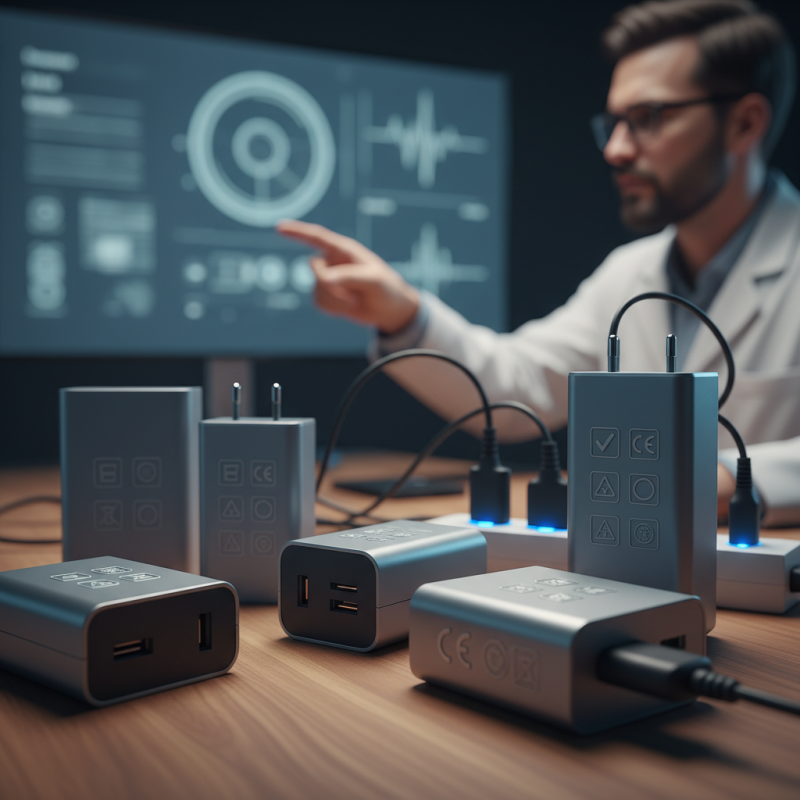
Certifications play a critical role in ensuring charger safety. When chargers pass stringent testing, they meet necessary standards. This process assures consumers that products are safe to use. Unexpected electrical hazards can occur with uncertified chargers. Overheating, short circuits, and even fires are possible risks. Having certified chargers mitigates these dangers significantly.
Despite certifications being crucial, not all consumers prioritize them. Many overlook the importance of reliable labels. This oversight can lead to disastrous consequences. A charger may seem affordable and appealing but might not adhere to safety regulations. It's tempting to ignore potential risks for savings. Educating users on certification standards is vital.
Instant gratification often overshadows caution. Some users choose convenience over safety. They may buy chargers without checking certifications. This habit is risky and reflects a need for greater awareness. Encouraging discussions around charger safety can foster a more informed user base. Ultimately, understanding the value of certifications can lead to safer technological experiences.
| Certification Type | Description | Importance | Example Standards |
|---|---|---|---|
| UL Certification | Ensures that products meet specific safety standards. | Reduces the risk of electrical fires and hazards. | UL 60950-1 |
| CE Marking | Indicates compliance with EU safety, health, and environmental protection standards. | Ensures product safety for consumers in the European market. | EN 60601-1 |
| FCC Certification | Regulates the electromagnetic interference of devices. | Prevents interference with communication devices. | FCC Part 15 |
| RoHS Compliance | Limits harmful substances in electrical and electronic products. | Promotes safe disposal and reduces environmental impact. | Directive 2011/65/EU |
| PSE Certification | Ensures compliance with Japanese electrical safety standards. | Assures safety for products sold in Japan. | JIS C 9501 |
: Certifications ensure that chargers meet safety standards, reducing risks like overheating and fires.
Uncertified chargers can cause unexpected hazards, including short circuits and potential fires.
Not all consumers prioritize certifications, which can lead to dangerous consequences.
Look for reliable certification labels that indicate compliance with safety regulations.
Certified chargers provide consistent voltage and current, enhancing device performance and lifespan.
Research the certifications and tests conducted by manufacturers to ensure reliability.
Some cheaper chargers may prioritize price over safety, risking user safety for savings.
Instant gratification often leads to hasty purchases without checking for certifications.
Encouraging discussions and education on certification standards can increase awareness among consumers.
No, not all certifications are created equal; it's important to seek reputable certifications.
Certifications play a vital role in ensuring the safety and reliability of source chargers. Uncertified chargers pose significant risks, including potential damage to devices and safety hazards such as overheating or electrical fires. By understanding what certifications are necessary for reliable source chargers, consumers can make informed choices, opting for products that adhere to safety standards and regulations.
Key certifications, such as UL, CE, and FCC, not only guarantee charger reliability but also influence overall performance and longevity. When selecting a charger, it's crucial to consider factors such as compatibility and the certifications it holds. Choosing certified chargers ensures that users are protected and that their devices operate efficiently, thereby enhancing both safety and performance in electronic charging solutions.

 Caiku Electronic