Maintaining your charger can significantly extend its lifespan. According to Kevin Anders, a leading expert in charger technology, “Proper care can make a huge difference.” His insights illustrate that many overlook basic charger maintenance, leading to premature replacements.
When we talk about "How to maintain a source charger for longer service life," it’s essential to adopt a proactive approach. For instance, avoiding constant bending of the cables can prevent internal damage. Keeping the charger clean is another simple yet effective method to enhance its longevity. Dust and debris can hinder performance, making regular cleaning necessary.
Reflecting on personal practices, many may realize they subject their chargers to unnecessary wear. Leaving chargers plugged in longer than needed can lead to overheating. This habit may be common, but it's detrimental. By embracing better maintenance habits, we can all enjoy a more reliable and longer-lasting charging experience.
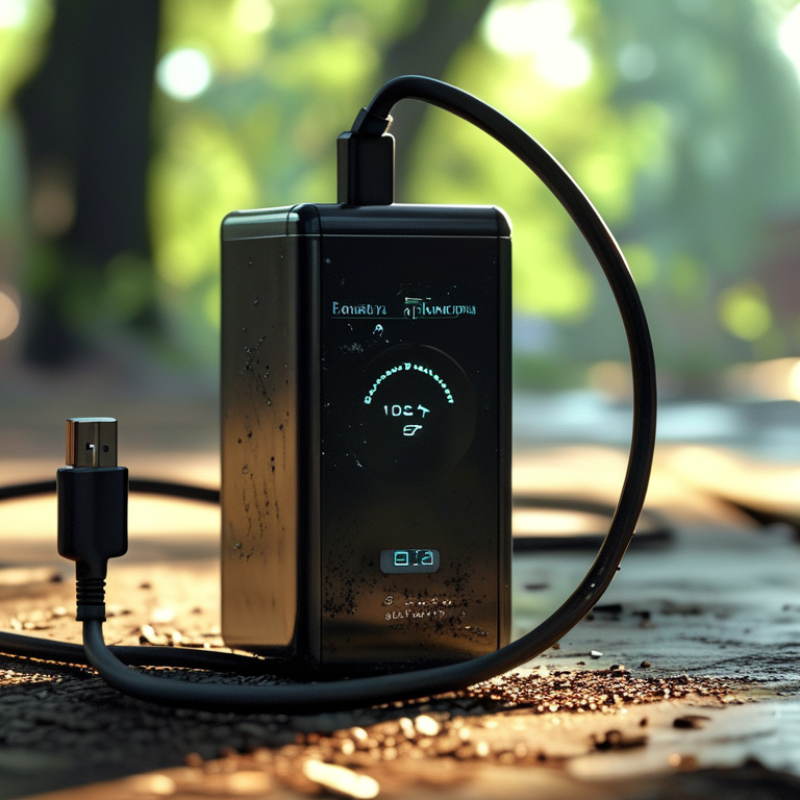
Charger maintenance is essential for extending the lifespan of your electronic devices. Many people overlook this aspect. According to a study by the International Electrotechnical Commission, improper charger usage can reduce its efficiency by up to 50%. Ensuring your charger remains in good condition can save you money and reduce e-waste.
Overheating is a common issue. Keeping your charger in a cool, dry place helps prevent this. A report from the U.S. Department of Energy states that excessive heat can shorten battery life by 20%. Regularly checking for frayed cables or loose connections is important. These issues can lead to further damage and potential safety hazards. Many users neglect this routine.
Using chargers in environments with high humidity negatively impacts their performance. Data shows moisture can increase the risk of internal corrosion by 30%. In addition, cleaning the charging ports and connectors can enhance conductivity. Neglecting these tasks can lead to inefficient charging. Reflect on your current practices—are you prioritizing maintenance? Adjusting habits can significantly affect longevity.
Regular inspection of your charger can significantly extend its lifespan. Many users overlook this critical aspect. According to industry reports, over 50% of charger failures are due to visible wear and damage. Regular checks can help identify fraying cords, discoloration, and loose connections. These signs indicate that it's time to replace your charger before it causes further issues.
It's also crucial to check for heat. Chargers that feel excessively warm during use may indicate internal damage. This can lead to safety hazards, including potential fires. A study by the Consumer Product Safety Commission highlighted that faulty chargers are responsible for thousands of fires each year. Don't ignore these warning signs; act promptly to avoid risks.
One might think they can keep using a damaged charger for a while longer, but this is a dangerous assumption. A small crack or short can escalate, causing more severe damage to your devices and posing safety threats. Regularly assessing your charger not only prolongs its life but also protects your valuable gadgets. Remember, the cost of a new charger is always less than the potential loss from damage to your devices.
Proper cable management is crucial for extending the life of your charger. Kinks and breakage often occur from careless handling. When coiling your charger, always do it gently. A tight coil can lead to stress on the wires, causing fraying.
Avoid wrapping the cable around your device. This creates pressure points that can weaken the insulation over time. Instead, use a loose figure-eight pattern or a dedicated organizer. It's simple but effective. Keep the area where you store your charger free from sharp edges or heavy objects that might crush it.
Being mindful of how you treat your charger can prevent many issues. Sometimes, we overlook the importance of these details. It’s easy to toss it into a bag without protection. Next time, think about how that could lead to future problems. Investing a little effort into proper care can yield greater longevity.
| Tip Number | Tip | Description |
|---|---|---|
| 1 | Use Cable Organizers | Keep cables neatly organized to prevent tangling and damage. |
| 2 | Avoid Pulled Cables | Do not yank on the cable when unplugging, as this can cause internal breakage. |
| 3 | Store Properly | Store your charger in a location that’s dry and free from environmental hazards. |
| 4 | Regular Inspections | Check for frays or damage to the cable before each use. |
| 5 | Use a Charging Dock | Consider using a dock to prevent wear on the USB connection. |
| 6 | Limit Charging Cycles | Avoid keeping your device plugged in all the time to prevent overheating. |
| 7 | Avoid Angles | Keep the cable straight and avoid sharp angles when plugging in. |
| 8 | Don’t Use During Extreme Temperatures | Avoid charging in places that are too hot or cold to maintain battery health. |
| 9 | Keep Away from Water | Avoid exposing your charger to moisture to prevent electrical hazards. |
| 10 | Replace When Worn Out | If the charger shows signs of wear, replace it promptly to avoid safety issues. |
Temperature plays a crucial role in the lifespan of chargers. When chargers are exposed to extreme temperatures, their internal components can suffer damage. High heat can lead to overheating, while cold temperatures can reduce battery efficiency. It’s essential to store chargers in indoor environments, away from direct sunlight and heat sources. This simple practice can significantly enhance their longevity.
Consider the impact of humidity as well. Excess moisture can lead to corrosion of connectors and internal parts. Ensure that your charging area is dry and well-ventilated. If you find your charger remains damp after use, that could signal a problem. Pay attention to unexpected wear or reduced performance. Noticing these issues early can help you adjust your charging habits.
You might encounter situations where you rush and place your charger in unsuitable environments. It's easy to overlook how this can compromise safety and functionality. Reflect on your habits. If you regularly charge devices in unideal conditions, think about creating a designated, optimal charging space. Small changes can yield significant results, ultimately prolonging the life of your charger.
Charging your devices safely is crucial for their longevity. Overheating is a common issue that can damage both your charger and device. Try to avoid using your device while it's charging. This simple step can help maintain a cooler temperature. If you notice your charger getting hot, unplug it to prevent further damage.
Overcharging is another concern. Many chargers have mechanisms to prevent this, but it’s wise to unplug once your device hits 100%. Relying on smart technology can lead to complacency. You may forget to disconnect your charger, leading to potential risks. Look into using a timer to remind you to unplug your charger.
Maintaining a clean environment for your charger is essential. Dust and debris can block vents, causing overheating. Regularly inspect your charger for wear and tear. If you notice frayed cables, it’s time for a replacement. Small actions can make a big difference. Your charging habits play a significant role in the lifespan of your device.
: Charger maintenance extends the lifespan of your devices, saving money and reducing e-waste.
Overheating can shorten battery life by 20%. Keep chargers in cool, dry places to prevent this.
Look for frayed cords, discoloration, or loose connections. These issues can cause further damage.
No, a warm charger may indicate internal damage. Unplug immediately to avoid safety hazards.
High humidity increases the risk of corrosion by 30%, affecting your charger's efficiency.
Avoid using devices while charging, unplug at 100%, and maintain a clean environment for your charger.
Regular checks are essential. Many failures come from visible wear and damage that can be easily spotted.
Ignoring small cracks is risky. They can escalate, causing severe damage and posing safety threats.
Cleaning ports enhances conductivity. Neglecting this can lead to inefficient charging over time.
Complacency may lead to overcharging. Set reminders to unplug after your device reaches full charge.
Maintaining your charger is essential for ensuring its longevity and efficiency, particularly if you're looking for insights on how to maintain a source charger for a longer service life. Regular inspection of chargers helps identify early signs of wear and damage, allowing for timely repairs or replacements. Implementing proper cable management techniques can significantly reduce the risk of kinks and breakage, while ensuring that chargers are stored in optimal temperature environments can prevent overheating.
Additionally, practicing safe charging habits is crucial; avoiding overcharging and monitoring charging durations can prolong both the charger’s and the device's lifespan. By following these tips, users can maximize the functionality and durability of their chargers, ultimately resulting in a more reliable charging experience.

Caiku Electronic