Choosing the Best Source Charger for Your Daily Devices?

Time:2026-04-07 Author:Mason
0%

When it comes to choosing the best source charger for your daily devices, understanding your options is key. "How to choose the right source charger for daily devices" can greatly impact your device performance and lifespan. John Smith, a leading expert in consumer electronics, emphasizes, "Not all chargers are created equal; the right one can enhance your devices' efficiency."

Many users overlook the details. It's crucial to consider voltage and current ratings. The right charger ensures your devices charge effectively without overheating. Different devices have varied requirements. A charger that works for your phone may not suit your tablet.

In today's tech landscape, reliability is essential. Selecting a low-quality charger may lead to long-term damage. Assessing compatibility is vital. It's easy to get overwhelmed by choices. Yet, reflecting on your daily habits can guide your decision. Remember, the right source charger can make a significant difference in your charging experience.
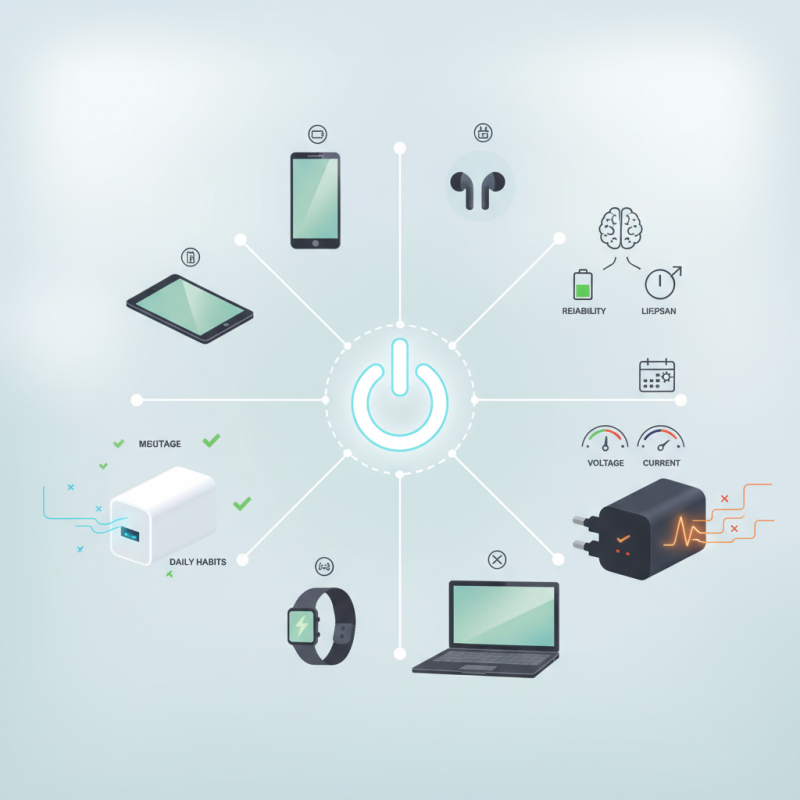
Choosing the Best Source Charger for Your Daily Devices?

Understanding Your Daily Device Power Needs

When selecting a charger for your daily devices, understanding their power needs is essential. Many people overlook the importance of compatibility. Each device has a specific voltage and current requirement. Using an inappropriate charger can lead to overheating or slow charging. A quick glance at your device’s specifications provides valuable insight.

It's common to assume that all chargers work the same. However, the truth is much more intricate. For example, a smartphone usually needs around 5–20 watts, while a laptop may require 45 watts or more. Hence, relying on your existing chargers might not always suffice. It’s prudent to assess your devices regularly, especially when upgrading or adding new ones.

Real-life experiences reveal mistakes often made in this area. Many users find themselves frustrated when their devices charge too slowly or not at all. In some cases, the wrong charger could damage your device. It’s a learning curve, but an important one. Taking the time to understand your power needs not only enhances device longevity but also improves daily efficiency.

Types of Chargers: Wall, Wireless, and Power Banks

When choosing chargers, understanding the types available is vital for effective device management. Wall chargers remain the most common option. They plug directly into outlets and deliver power efficiently. According to a recent report by the International Electrotechnical Commission, over 70% of consumers prefer wall chargers for their convenience. However, reliance on these can sometimes lead to clutter and limited mobility.

Wireless chargers are becoming increasingly popular. They allow for charging without physical connections. A study by IBISWorld highlighted that the wireless charging market is expected to grow by 20% annually over the next five years. This innovation offers ease of use but can sometimes charge devices slower than traditional methods. Users should consider the device's compatibility and possible heat generation during the charging process.

Power banks offer great versatility. Portable and rechargeable, they provide backup power on the go. Data from Grand View Research indicates that the global power bank market is projected to reach $12 billion by 2027, driven by consumer demand for mobile convenience. However, the effectiveness of a power bank can vary. They may not always hold a charge as advertised, leading to potential frustrations. It's essential to choose one with a reliable capacity to avoid these pitfalls.

Compatibility: Ensuring Charger and Device Work Together

When choosing a charger, compatibility is essential. Not all chargers work with every device. A charger that fits your phone may not suit your tablet. It’s vital to know device requirements. Voltage and amperage matter. Mismatched chargers can cause slow charging or even damage.

Consider your daily devices. Each will have specific charging needs. For instance, some laptops may require 65W, while others function well on just 30W. Devices also differ in connector types. USB-C is popular, but many older devices still use micro-USB. Always confirm what your device needs before purchasing a charger.

Tips: Always read your device's user manual for charging details. Keep an eye on charger quality; low-quality ones may fail prematurely. Reflect on your charging habits. Do you often share chargers? If so, consider a versatile option that fits multiple devices.

Key Features to Look for in a Source Charger

When selecting a source charger for your devices, several key features stand out. Efficiency is paramount. Look for chargers that can provide a fast charging option while avoiding overheating. A charger's wattage plays a crucial role here. Higher wattage can significantly reduce charging time, especially for power-hungry devices.

Another essential feature is compatibility. A universal charger that supports various devices can save you from clutter. However, ensure it meets safety standards to protect your devices. It's also wise to consider the length and durability of the charging cables. A cable that frays easily can be a source of frustration over time.

USB-C is becoming the standard. Ensure your charger has this capability for the latest devices. While seeking these features, some chargers may fall short. They can be bulky or too lightweight, which can impact stability during use. A reliable charger should offer a balance between portability and performance. Emphasizing these features can lead to a better charging experience, but not every choice will be perfect. Regularly reassessing your needs is key.

Choosing the Best Source Charger for Your Daily Devices? - Key Features to Look for in a Source Charger

Feature Description Importance
Power Output The maximum power the charger can deliver, measured in watts (W). Ensures fast charging for devices requiring higher power.
Port Type Types of ports available, such as USB-A, USB-C, or Lightning. Compatibility with your devices; modern devices often use USB-C.
Number of Ports Total number of ports available for charging multiple devices. Convenience for charging multiple devices at once.
Fast Charging Support Support for fast charging protocols like PD (Power Delivery) or QC (Quick Charge). Allows devices to charge faster when compatible.
Safety Features Inbuilt features like overcurrent protection and short-circuit prevention. Protects your devices from potential damage while charging.
Portability Size and weight of the charger, affecting ease of travel. Important for users who travel frequently.
Cable Length Length of the charging cable included, if any. Can affect ease of use and flexibility when charging.

Safety Standards and Certifications for Chargers

When selecting a charger for your daily devices, consider safety standards and certifications. These indicators help ensure that chargers meet quality and safety guidelines. Look for approvals from organizations like Underwriters Laboratories (UL) or the International Electrotechnical Commission (IEC). These certifications signal that the charger has been rigorously tested.

Understanding the importance of these standards is vital. Chargers without certifications may become fire hazards or overheat. Such risks can lead to damaged devices or personal injury. It’s wise to avoid cheap, uncertified options. Instead, invest in products that prioritize safety. Often, these chargers offer better performance and longevity.

Tips: Always check the packaging for safety logos. Read user reviews to gauge real-world safety experiences. Don’t ignore signs of wear, such as frayed cables or unusual heat. Your devices deserve reliable power sources, so ensure that your charger aligns with safety standards. This practice can save you time, money, and potential harm in the long run.

FAQS

: Why is it important to understand my device's power needs?

: Knowing your device's power requirements helps prevent overheating and ensures efficient charging.

What are common mistakes people make with chargers?

Many assume all chargers are the same, leading to slow charging or even device damage.

How do I know what charger my device needs?

Check the specifications for voltage and current requirements in your device's user manual.

What types of chargers are available?

There are wall chargers, wireless chargers, and portable power banks, each with different benefits.

Are wireless chargers less efficient than traditional chargers?

Yes, wireless chargers may charge slower and generate heat, so compatibility is crucial.

What should I consider when choosing a power bank?

Look for reliable capacity and check reviews, as some may not hold a charge as expected.

Can I use the same charger for multiple devices?

Not always. Confirm that the charger's voltage and amperage meet the needs of each device.

What can happen with mismatched chargers?

Using the wrong charger can lead to slow charging or potentially damage your device over time.

How can I avoid charging frustrations?

Regularly assess your device’s requirements and keep good-quality chargers on hand.

Why is clutter a concern with wall chargers?

Wall chargers are efficient but can cause clutter, limiting mobility in your charging setup.

Conclusion

When considering how to choose the right source charger for daily devices, it's essential to understand the power requirements of your devices. Different devices have varying battery capacities and charging speeds, which dictate the necessary charger type. The main categories include wall chargers, wireless options, and portable power banks, each catering to specific needs and situations.

Compatibility is crucial; ensuring that your charger works seamlessly with your device can prevent damage and enhance charging efficiency. Moreover, look for key features such as fast charging capability, multiple ports, and cord length. Safety standards and certifications should also be a priority, as they guarantee that the charger meets essential safety requirements, protecting both your devices and yourself. By keeping these factors in mind, you can make an informed choice for your daily charging needs.

Mason

Mason

Mason is a seasoned marketing professional with a deep expertise in the company's offerings and a passion for driving brand awareness. With a strong background in digital marketing strategies, he has an innate ability to connect with diverse audiences and effectively communicate product benefits.......